Coffee Education · Part 1 of 3
Every cup of coffee you have ever loved began as a humble green bean — raw, grassy, and barely recognisable as the drink we treasure. What transforms it into something aromatic, complex, and deeply satisfying? Heat. Precision. Time. At The Caffeine Experience, we practise this craft right here in Singapore — on our Typhoon air roaster at the URA Centre café on Maxwell Road. This three-part series takes you behind the beans.
What Does Roasting Actually Do?
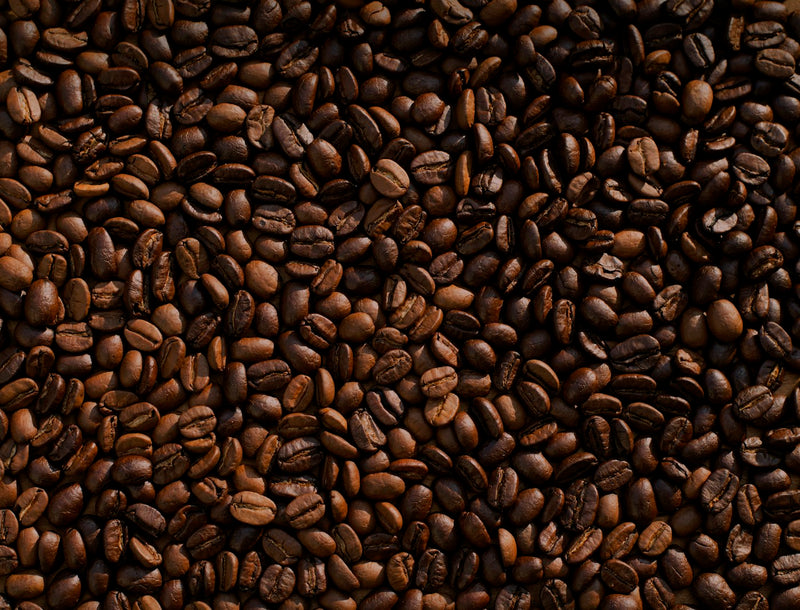
Green coffee beans are seeds — dense, grassy, their flavour compounds locked away. Roasting is the key that unlocks everything. When heat is applied, hundreds of chemical reactions are triggered: moisture evaporates, sugars caramelise, amino acids react with sugars to create entirely new aromatic compounds through the Maillard reaction. The bean swells, gas builds inside, and eventually the cell walls rupture in what roasters call "first crack" — an audible pop — and coffee as we know it is born.
"The roaster's job is not to impose flavour on a bean — it is to reveal the flavour already inside it. Under-roast and you leave potential locked away. Over-roast and you destroy what was there."
Meet the Typhoon — Our Air Roaster
Our Typhoon is a fluid bed air roaster — using a column of precisely controlled hot air to suspend and heat the beans simultaneously. There is no drum, no metal surface contact. Only heat carried by moving air.
The Four Degrees of Roast
How far you take the roast determines everything about the cup — acidity, body, sweetness, and which flavours come forward.
Every TCE coffee — single origins and house blends alike — exits the Typhoon at no more than 202°C in 6–8 minutes, firmly in the light roast range.
Why We Roast Light
When we exit our Typhoon at 200°C in 6–8 minutes, we are making a deliberate statement: we trust the bean. The peach and jasmine in our Halo Berity Yirgacheffe G1, the pomegranate brightness in our Colombia Gesha Estate — these are not added flavours. They are what those beans have always carried within them. Our job is simply not to destroy them.
This runs deeper than flavour. At The Caffeine Experience, we believe in the inherent goodness present in every person we serve. Just as we roast light to reveal what is already inside a bean, we walk with our beneficiaries to reveal what has always been within them.
"So whether you eat or drink, or whatever you do, do it all for the glory of God."
1 Corinthians 10:31 — The heartbeat of everything we do at TCETaste the Difference — Our Coffees
Every coffee below has been hand-roasted on our Typhoon — light and precise, to honour the origin. All 100% Arabica specialty grade.
Coffee Education Series — Roasting
|
Part 1 — Now From Green to Gold Roasting basics, Typhoon, heat transfer & roast levels. |
Part 2 — 5 Jun The World in Your Cup Origins, terroir & processing methods. |
Part 3 — 12 Jun Dialling In DTR, Rate of Rise, profiles & defects. |
References
Rao, S. (2014) The Coffee Roaster's Companion. Scott Rao Publications. | Schenker, S. et al. (2002) 'Impact of roasting conditions on the formation of aroma compounds in coffee beans', Journal of Food Science, 67(1), pp. 60–66. | Specialty Coffee Association (SCA) (2024) Roasting Foundations. sca.coffee. | ASEAN Coffee Institute (ACI) (2025) Barista Certification Level 2 — Roasting Module. aseancoffeeinstitute.org.
Soli Deo Gloria — To God alone be the glory. | The Caffeine Experience | theofficialtce.com